Home > Blog >

What are the real challenges of CNC machining?

What are the real challenges of CNC machining?
2026/9/21 10:30:18

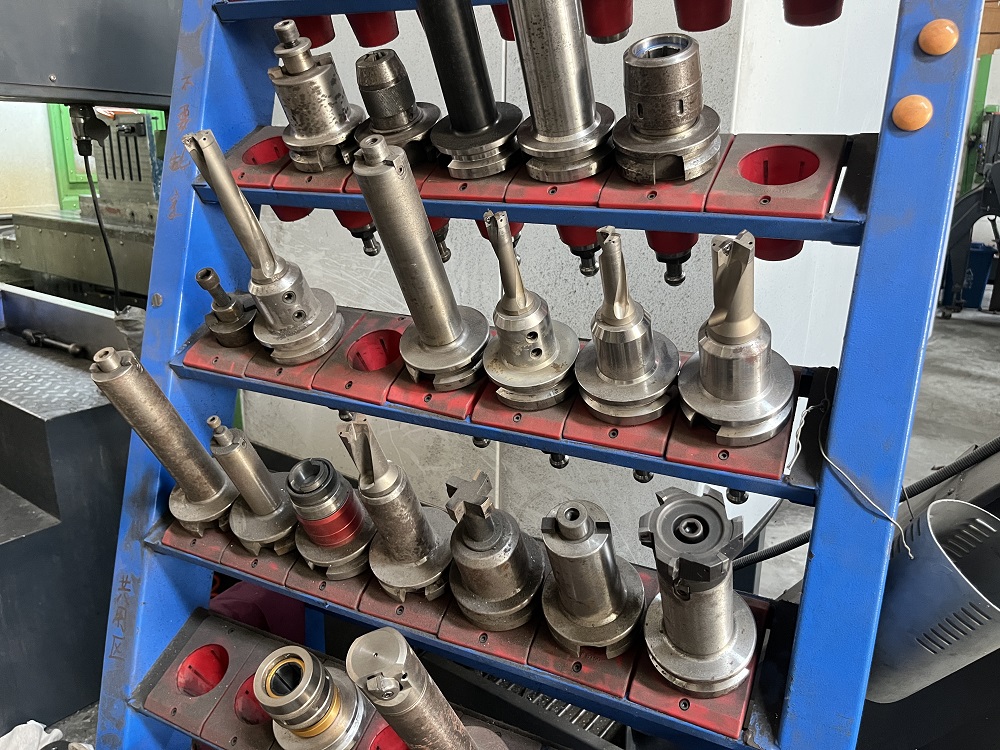
When people talk about CNC machining, they often think first of machine tool dimensions, spindle speed, or machining accuracy. However, in actual production, producing reliable CNC-machined parts is far more complex than simply placing a workpiece on a machine tool and running a program. The real challenge lies in controlling every stage before, during, and after machining.


At Xiangxinghe, we believe professional CNC machining services are more than just removing material. It's about understanding materials, structure, tolerances, tooling, fixtures, cutting tools, machining sequence, and end application—and controlling these factors throughout the manufacturing process.


1. The Challenge Begins Before MachiningIMG_3961.JPG
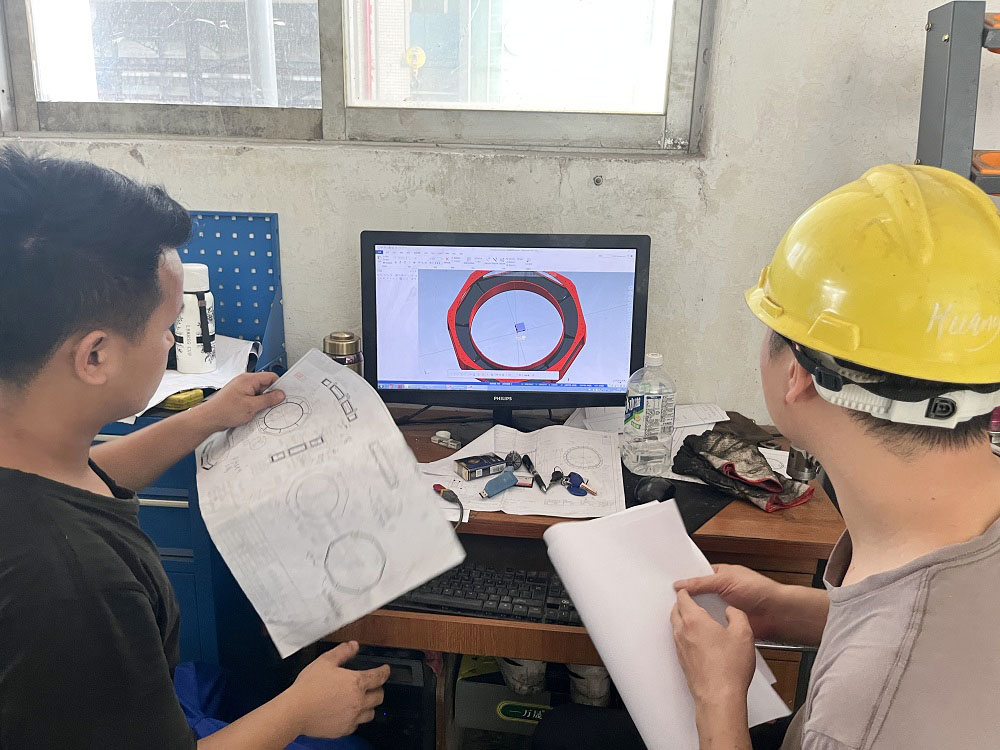
 

Before production, engineers need to understand the drawings, materials, critical dimensions, geometric tolerances, surface requirements, 

and final assembly conditions. This is especially important for custom and OEM machining, as the requirements for each project can vary 

significantly.

Parts on the drawings may seem simple, but in production, the machining process becomes much more complex due to thin walls, deep 

cavities, large machining areas, difficulties in workpiece clamping, or uneven material removal. Choosing the correct machining sequence 

at this stage can prevent many subsequent problems.


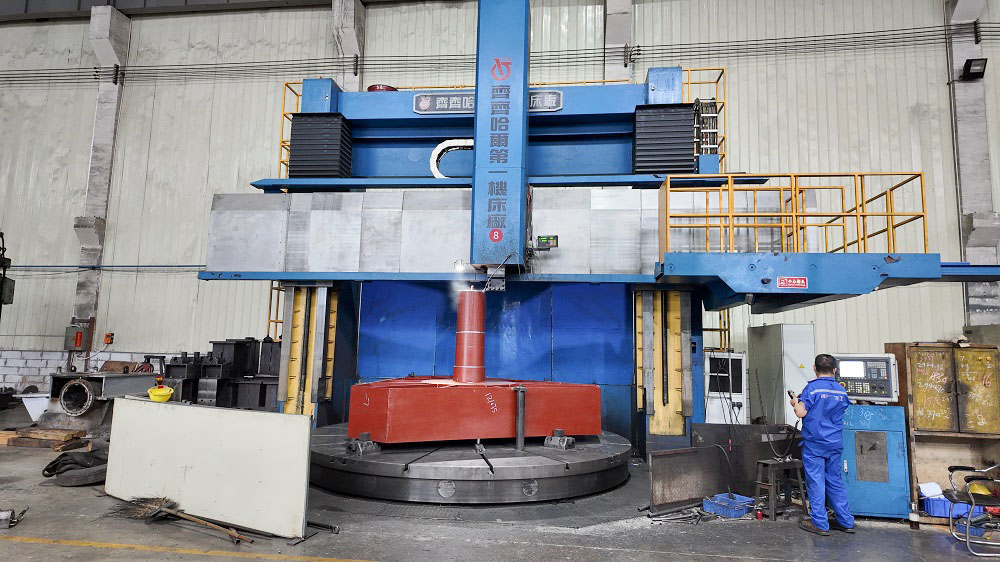
2. Stability is Key in Large CNC Machining


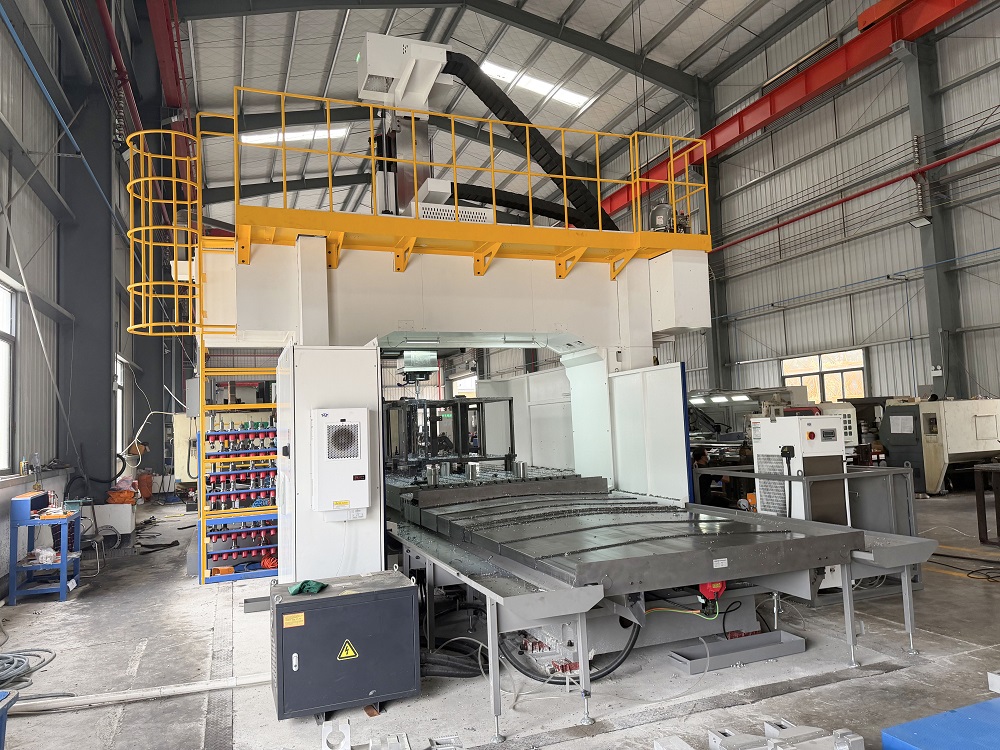
Large parts present a unique set of challengesIn large CNC machining, workpieces can be heavy and structurally complex.Large welded 

frames, machine tool bases, industrial equipment components, and steel structures may also exhibit internal stresses from welding. This 

is why gantry machining requires careful planning.


Removing too much material rapidly from a region can cause dimensional changes or deformation due to cutting forces an internalstresses. 

Even with highly precise CNC machine tools, improper process control can result in parts that fail to meet required tolerances.


     For large welded parts, we need to consider the following factors:IMG_0144.JPG
     ♦ Workpiece clamping and support points

     ♦ Machining allowance

     ♦ Roughing and finishing sequence

     ♦ Cutting forces

     ♦ Heat accumulation

     ♦ Welding deformation

     ♦ Final inspection requirements


     Our goal is not just to machine large parts, but to ensure the stability of the entire machining process.


3. Small Parts Require Precision and RepeatabilityDJI_20241105094559_0264_D.JPG
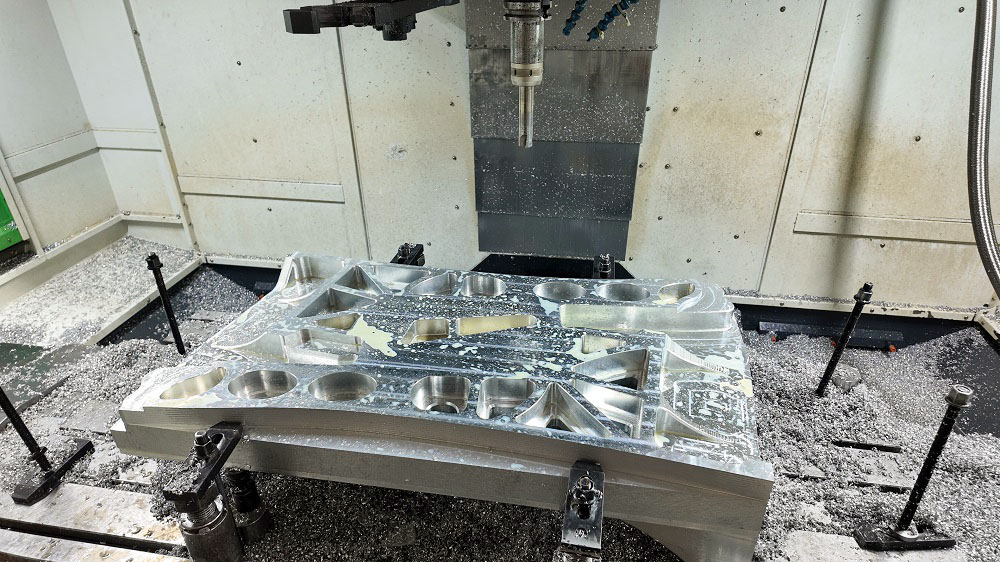
 

Large parts are not always the most difficult to manufacture. Small precision machining is equally challenging.


As part dimensions decrease, even minute errors become more significant relative to the overall size of the part. Tool wear, tool deflection, workpiece 

clamping accuracy, temperature variations, and machine condition all affect the final dimensions.


Small holes, narrow slots, thin walls, fine surfaces, and stringent tolerance requirements necessitate precise control of tooling and cutting parameters. 

Repeatability is also crucial for mass-produced parts. Simply machining a part that meets the drawing requirements once is insufficient. The manufacturing 

process needs to remain consistent across multiple parts and production batches.


This is especially important for OEM manufacturing, as machining consistency directly impacts the customer's assembly line.


4. Tool Selection and Machining Parameters are Critical


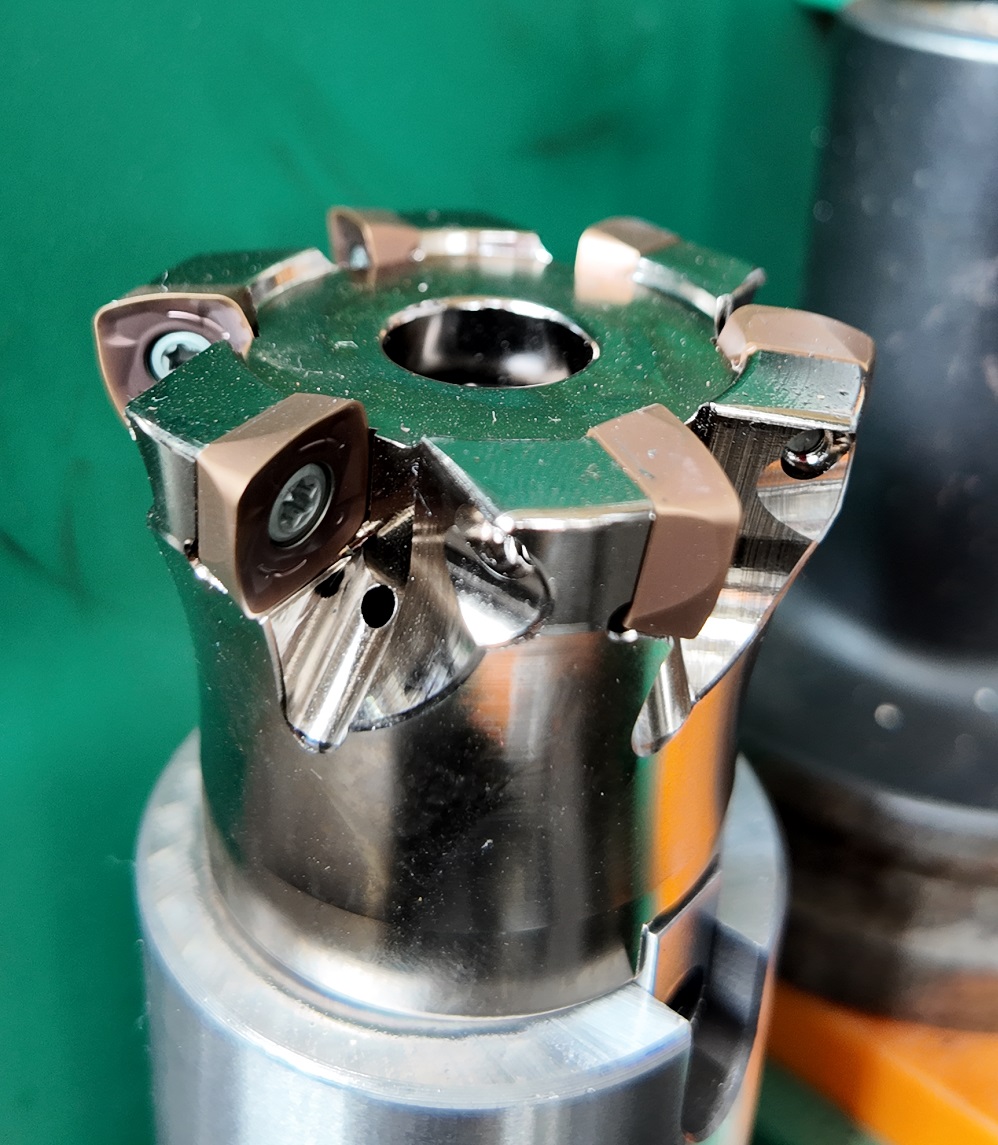
No single cutting parameter is suitable for all materials or all parts.DJI_20250401142658_0259_D.JPGIMG_6917.JPGDJI_20250401135253_0226_D.JPG                                                                      
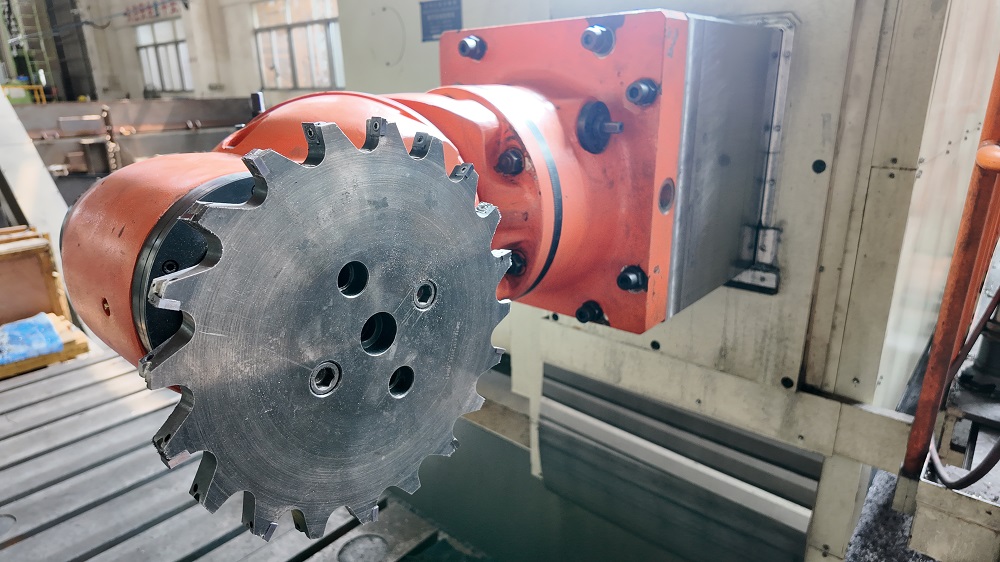

Steel, stainless steel, aluminum, and other engineering materials exhibit different 

characteristics during machining. Tool material, tool geometry, cutting speed, feed 

rate, depth of cut, coolant strategy, and machining direction all influence the final 

result. 

For complex precision machining, selecting appropriate tools and machining 

strategies helps reduce vibration, tool wear, heat generation, and dimensional 

deviations.


Based on our experience, machining quality often depends on a series of subtle engineering decisions, not a single factor.


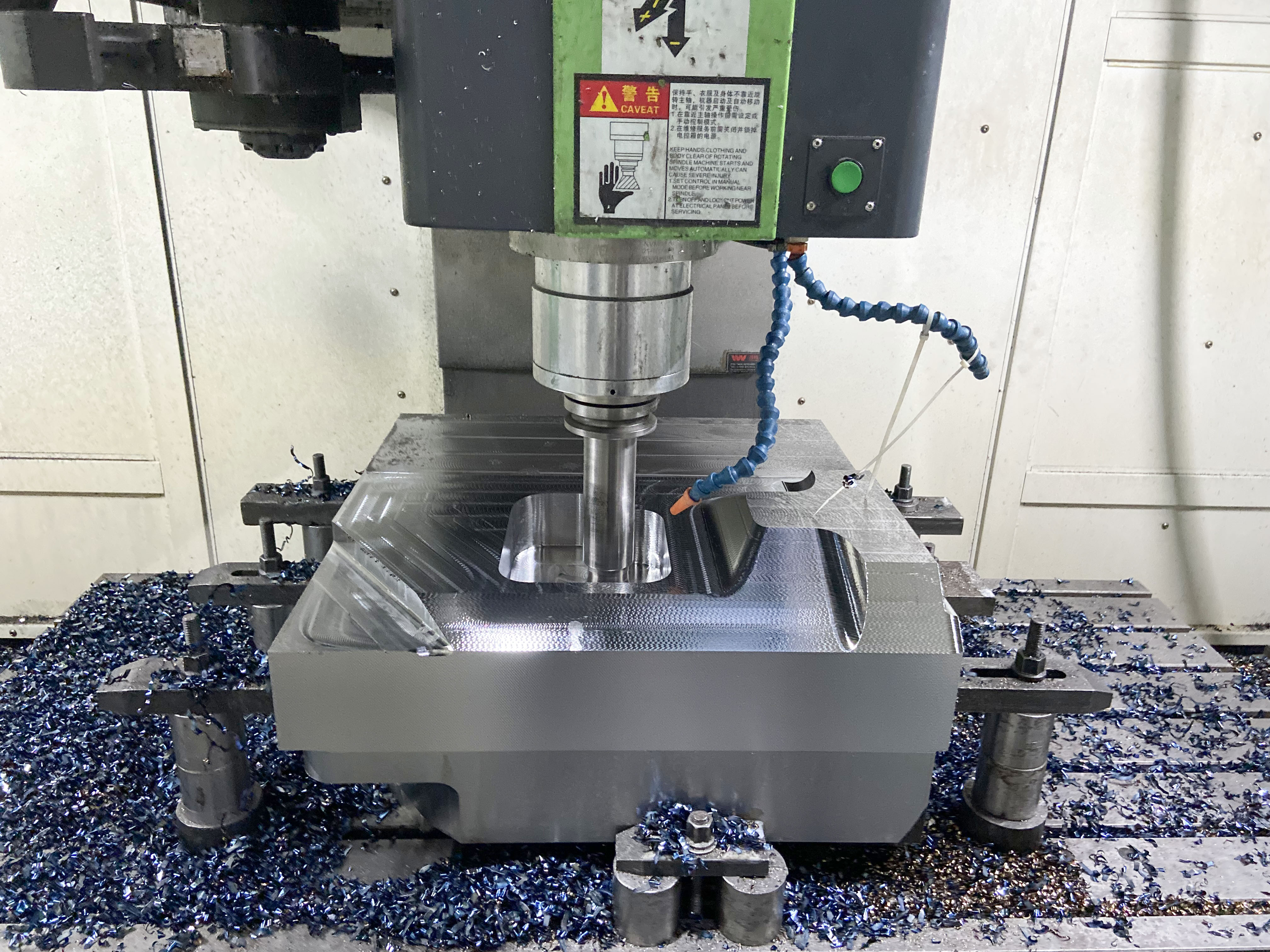
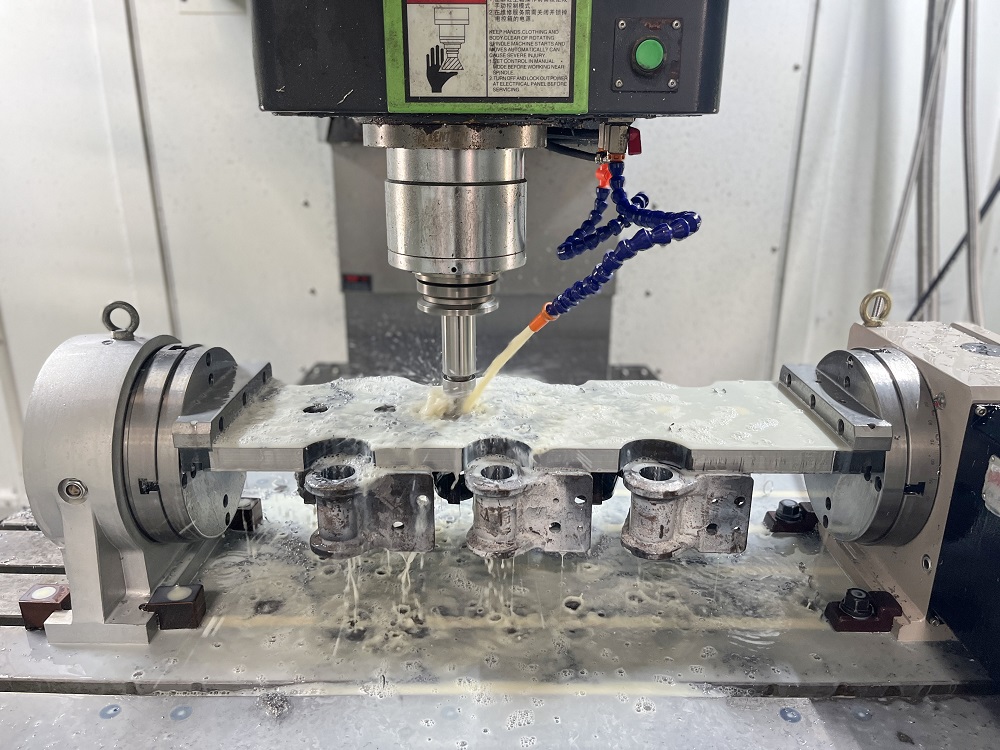
5. Workpiece clamping is critical to accuracy.


Even high-performance CNC machine tools cannot compensate for the loss of accuracy caused by improper workpiece clamping.


Improper workpiece clamping leads to decreased machining accuracy. Workpieces need to be correctly positioned and supported. At the same time, excessive clamping force can cause deformation of some parts,


especially thin-walled or lightweight parts. For large parts, the challenge is even greater, as the workpiece may have multiple support points and uneven weight distribution. Therefore, workpiece clamping needs to be considered in conjunction with the machining strategy, not as a separate step.

 IMG_0679.JPG   IMG_3596.JPG


6. Accuracy depends more than just the CNC machine tool.


A common misconception is that machining accuracy depends entirely on machine tool specifications. In reality, final accuracy is affected by the entire manufacturing system.


This includes:


Machine tool condition + cutting tools + workpiece clamping + material + temperature + machining sequence + operator experience + inspection.


This is why two factories using similar CNC machine tools can produce drastically different results. For customers seeking a reliable CNC machining supplier, manufacturing experience and process control are just as important as the equipment itself.
DJI_20250916154457_0024_D.JPG   


IMG_5643.JPG   IMG_3311.JPG 


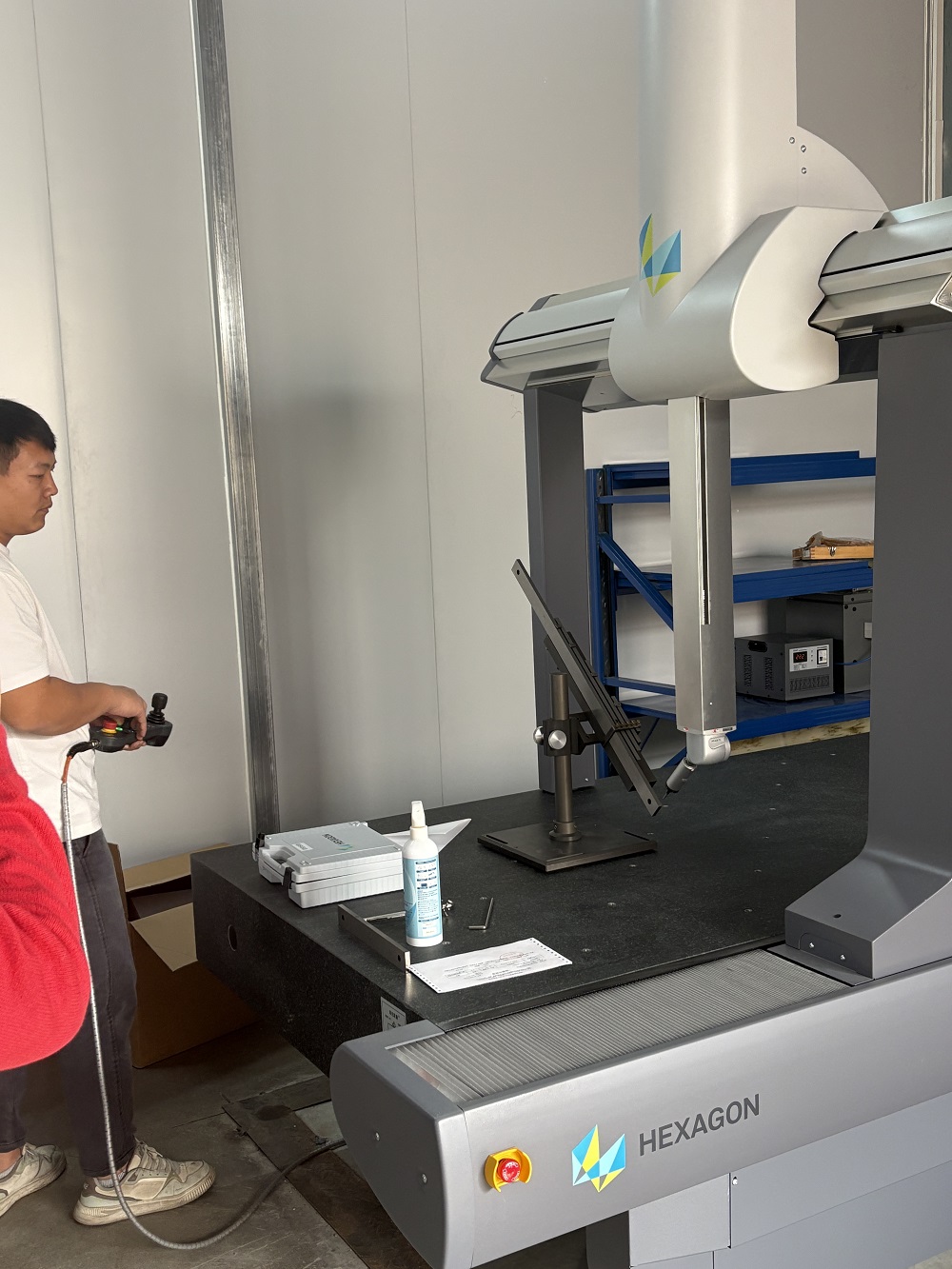
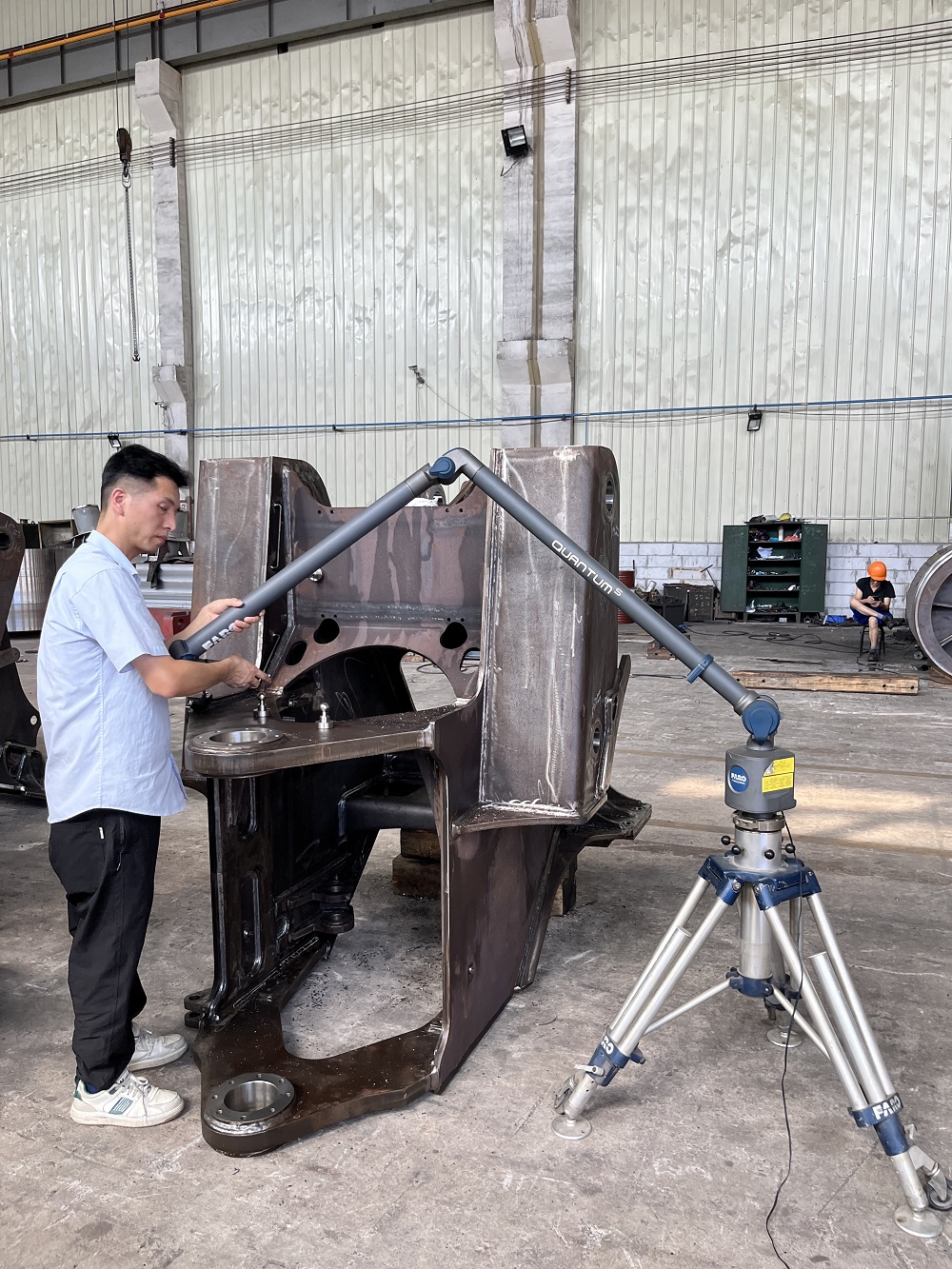
7. Inspection is part of the manufacturing process, not the final step.


Quality inspection should not only be performed after machining is complete.


For critical components, dimensional checks during production help identify potential problems before the entire process is finished. Depending on project requirements, important dimensions, holes, 

surfaces, and assembly interfaces need to be controlled throughout production. The purpose of inspection is not just to find defective parts. More importantly, the feedback it provides helps maintain 

the stability of the manufacturing process.


Beyond CNC Machining: Complete Manufacturing Solutions.


For many industrial customers, CNC machining is only one part of a project. Large mechanical parts may require custom metalworking, welding, large-scale CNC machining, surface treatment, and 

mechanical assembly before delivery to the customer.


At Xiangxinghe, we integrate these manufacturing capabilities to support customers requiring a variety of machining processes. From large welded structures and heavy industrial components to 

small precision parts, our focus remains consistent: understanding engineering requirements, controlling the manufacturing process, and delivering parts that can be directly used for assembly and 

application.


For overseas clients seeking large-scale CNC machining, precision machining, gantry machining, custom machining, welding, or reliable Chinese OEM processing partners, the real question shouldn't 

simply be:


"How precise are your machines?"


A more appropriate question would be:


"How much control do you have over the entire manufacturing process?"


This is the true challenge of CNC machining—and the value of a reliable manufacturing partner.


Next article:No data

Office:Room 503 KaiTai Center Guicheng Street,

             Nanhai District Foshan, Guangdong, CN

Factory:No.22, Pengshan Road, Gaoming District,

               Foshan City, Guangdong, CN

Tel:+86 15989136449

Email:info@xiangxinghe.com


Copyright 2023-2024 Foshan Xiangxinghe CNC Technology Co., Ltd. All rights reserved  Guangdong ICP No. 2024327335


Quick Links


Our Services


Follow Us

Home > Blog >

What are the real challenges of CNC machining?

What are the real challenges of CNC machining?
2026/9/21 10:30:18

When people talk about CNC machining, they often think first of machine tool dimensions, spindle speed, or machining accuracy. However, in actual production, producing reliable CNC-machined parts is far more complex than simply placing a workpiece on a machine tool and running a program. The real challenge lies in controlling every stage before, during, and after machining.


At Xiangxinghe, we believe professional CNC machining services are more than just removing material. It's about understanding materials, structure, tolerances, tooling, fixtures, cutting tools, machining sequence, and end application—and controlling these factors throughout the manufacturing process.


1. The Challenge Begins Before MachiningIMG_3961.JPG


Before production, engineers need to understand the drawings, materials, critical dimensions, geometric tolerances, surface requirements, 

and final assembly conditions. This is especially important for custom and OEM machining, as the requirements for each project can vary 

significantly.

Parts on the drawings may seem simple, but in production, the machining process becomes much more complex due to thin walls, deep 

cavities, large machining areas, difficulties in workpiece clamping, or uneven material removal. Choosing the correct machining sequence 

at this stage can prevent many subsequent problems.


2. Stability is Key in Large CNC Machining


Large parts present a unique set of challengesIn large CNC machining, workpieces can be heavy and structurally complex.Large welded 

frames, machine tool bases, industrial equipment components, and steel structures may also exhibit internal stresses from welding. This 

is why gantry machining requires careful planning.


Removing too much material rapidly from a region can cause dimensional changes or deformation due to cutting forces an internalstresses. 

Even with highly precise CNC machine tools, improper process control can result in parts that fail to meet required tolerances.


     For large welded parts, we need to consider the following factors:IMG_0144.JPG

     ♦ Workpiece clamping and support points

     ♦ Machining allowance

     ♦ Roughing and finishing sequence

     ♦ Cutting forces

     ♦ Heat accumulation

     ♦ Welding deformation

     ♦ Final inspection requirements


     Our goal is not just to machine large parts, but to ensure the stability of the entire machining process.


3. Small Parts Require Precision and RepeatabilityDJI_20241105094559_0264_D.JPG


Large parts are not always the most difficult to manufacture. Small precision machining is equally challenging.


As part dimensions decrease, even minute errors become more significant relative to the overall size of the part. Tool wear, tool deflection, workpiece 

clamping accuracy, temperature variations, and machine condition all affect the final dimensions.


Small holes, narrow slots, thin walls, fine surfaces, and stringent tolerance requirements necessitate precise control of tooling and cutting parameters. 

Repeatability is also crucial for mass-produced parts. Simply machining a part that meets the drawing requirements once is insufficient. The manufacturing 

process needs to remain consistent across multiple parts and production batches.


This is especially important for OEM manufacturing, as machining consistency directly impacts the customer's assembly line.


4. Tool Selection and Machining Parameters are Critical


No single cutting parameter is suitable for all materials or all parts.DJI_20250401142658_0259_D.JPGIMG_6917.JPGDJI_20250401135253_0226_D.JPG                                                                      


Steel, stainless steel, aluminum, and other engineering materials exhibit different 

characteristics during machining. Tool material, tool geometry, cutting speed, feed 

rate, depth of cut, coolant strategy, and machining direction all influence the final 

result. 

For complex precision machining, selecting appropriate tools and machining 

strategies helps reduce vibration, tool wear, heat generation, and dimensional 

deviations.


Based on our experience, machining quality often depends on a series of subtle engineering decisions, not a single factor.


5. Workpiece clamping is critical to accuracy.


Even high-performance CNC machine tools cannot compensate for the loss of accuracy caused by improper workpiece clamping.


Improper workpiece clamping leads to decreased machining accuracy. Workpieces need to be correctly positioned and supported. At the same time, excessive clamping force can cause deformation of some parts,


especially thin-walled or lightweight parts. For large parts, the challenge is even greater, as the workpiece may have multiple support points and uneven weight distribution. Therefore, workpiece clamping needs to be considered in conjunction with the machining strategy, not as a separate step.


 IMG_0679.JPG   IMG_3596.JPG


6. Accuracy depends more than just the CNC machine tool.


A common misconception is that machining accuracy depends entirely on machine tool specifications. In reality, final accuracy is affected by the entire manufacturing system.


This includes:


Machine tool condition + cutting tools + workpiece clamping + material + temperature + machining sequence + operator experience + inspection.


This is why two factories using similar CNC machine tools can produce drastically different results. For customers seeking a reliable CNC machining supplier, manufacturing experience and process control are just as important as the equipment itself.


DJI_20250916154457_0024_D.JPG   


IMG_5643.JPG   IMG_3311.JPG 


7. Inspection is part of the manufacturing process, not the final step.


Quality inspection should not only be performed after machining is complete.


For critical components, dimensional checks during production help identify potential problems before the entire process is finished. Depending on project requirements, important dimensions, holes, 

surfaces, and assembly interfaces need to be controlled throughout production. The purpose of inspection is not just to find defective parts. More importantly, the feedback it provides helps maintain 

the stability of the manufacturing process.


Beyond CNC Machining: Complete Manufacturing Solutions.


For many industrial customers, CNC machining is only one part of a project. Large mechanical parts may require custom metalworking, welding, large-scale CNC machining, surface treatment, and 

mechanical assembly before delivery to the customer.


At Xiangxinghe, we integrate these manufacturing capabilities to support customers requiring a variety of machining processes. From large welded structures and heavy industrial components to 

small precision parts, our focus remains consistent: understanding engineering requirements, controlling the manufacturing process, and delivering parts that can be directly used for assembly and 

application.


For overseas clients seeking large-scale CNC machining, precision machining, gantry machining, custom machining, welding, or reliable Chinese OEM processing partners, the real question shouldn't 

simply be:


"How precise are your machines?"


A more appropriate question would be:


"How much control do you have over the entire manufacturing process?"


This is the true challenge of CNC machining—and the value of a reliable manufacturing partner.


Next article:No data

Follow Us

Foshan Xiangxinghe CNC Technology Co., Ltd

Office:Room 503 KaiTai Center Guicheng Street,Nanhai District 

             Foshan, Guangdong, CN

Factory:No.22, Pengshan Road, Gaoming District, Foshan City, 

                Guangdong, CN

Tel:+86 0757 86762603    +86 15989136449

Email:info@xiangxinghe.com

Copyright 2023-2024 Foshan Xiangxinghe CNC Technology Co., Ltd. All rights reserved

Guangdong ICP No. 2024327335


X