There are no shortcuts in hygiene and sanitation plumbing.
A welded surface may appear flawless, but if the internal contours are incorrect, areas prone to buildup of residue, contaminants, and bacteria can form. This is why precision, purification quality, consistency, and attention to detail are paramount.
I. Processes required for sanitary welding
▶ Full penetration welding
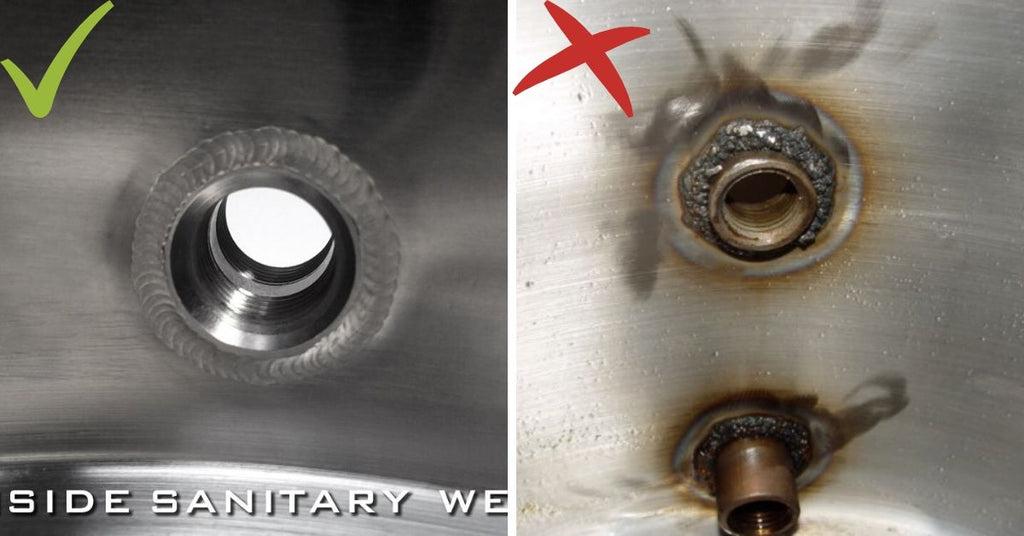
Qualified sanitary weld Substandard sanitary welds
● Silver-white ● Blackened, bluish
● Uniform fish-scale pattern ● Saccharified
● Smooth inner wall ● Weld beads, porosity
● No oxidation color ● Incomplete melting
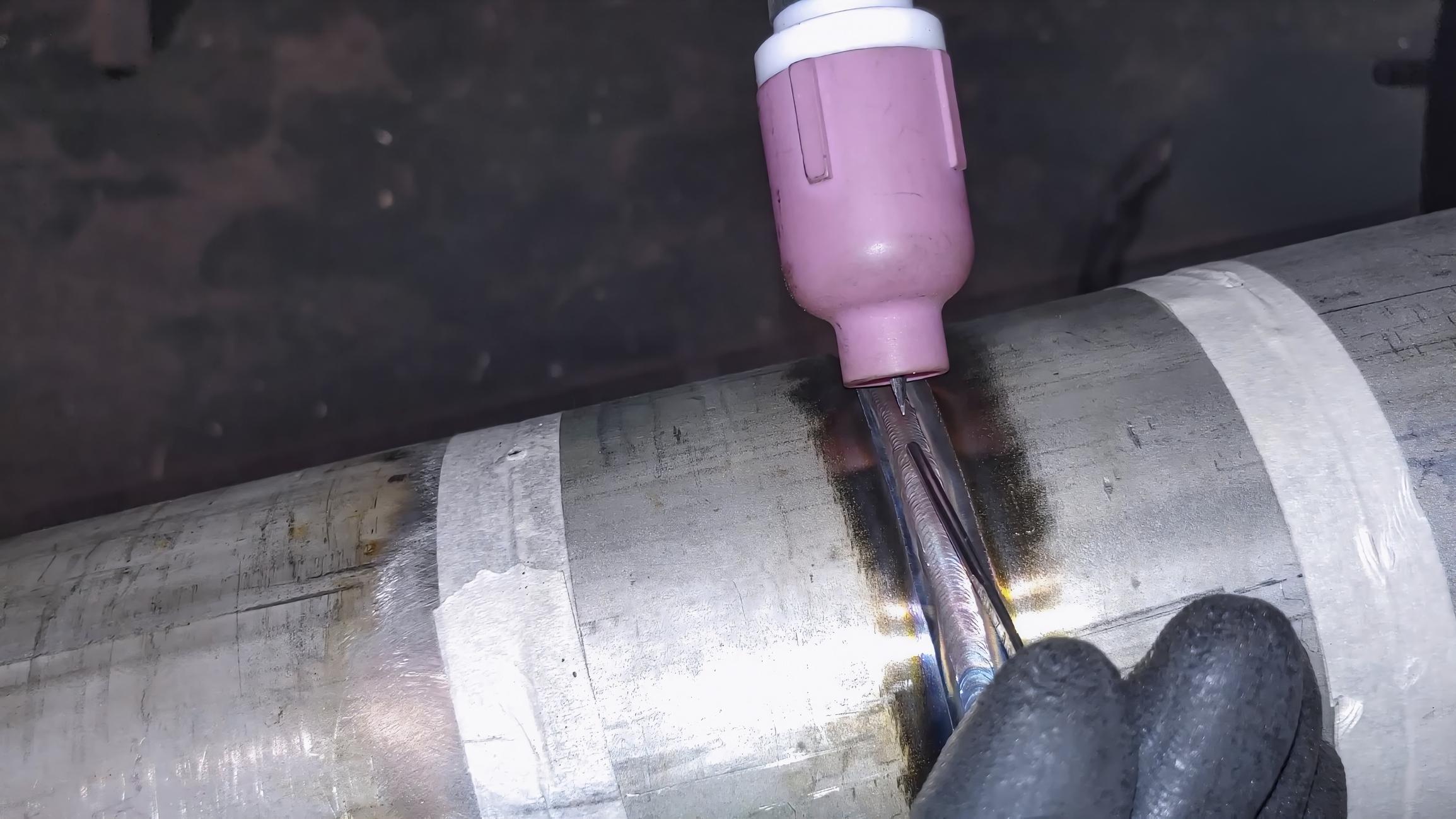
▶ Argon back protection
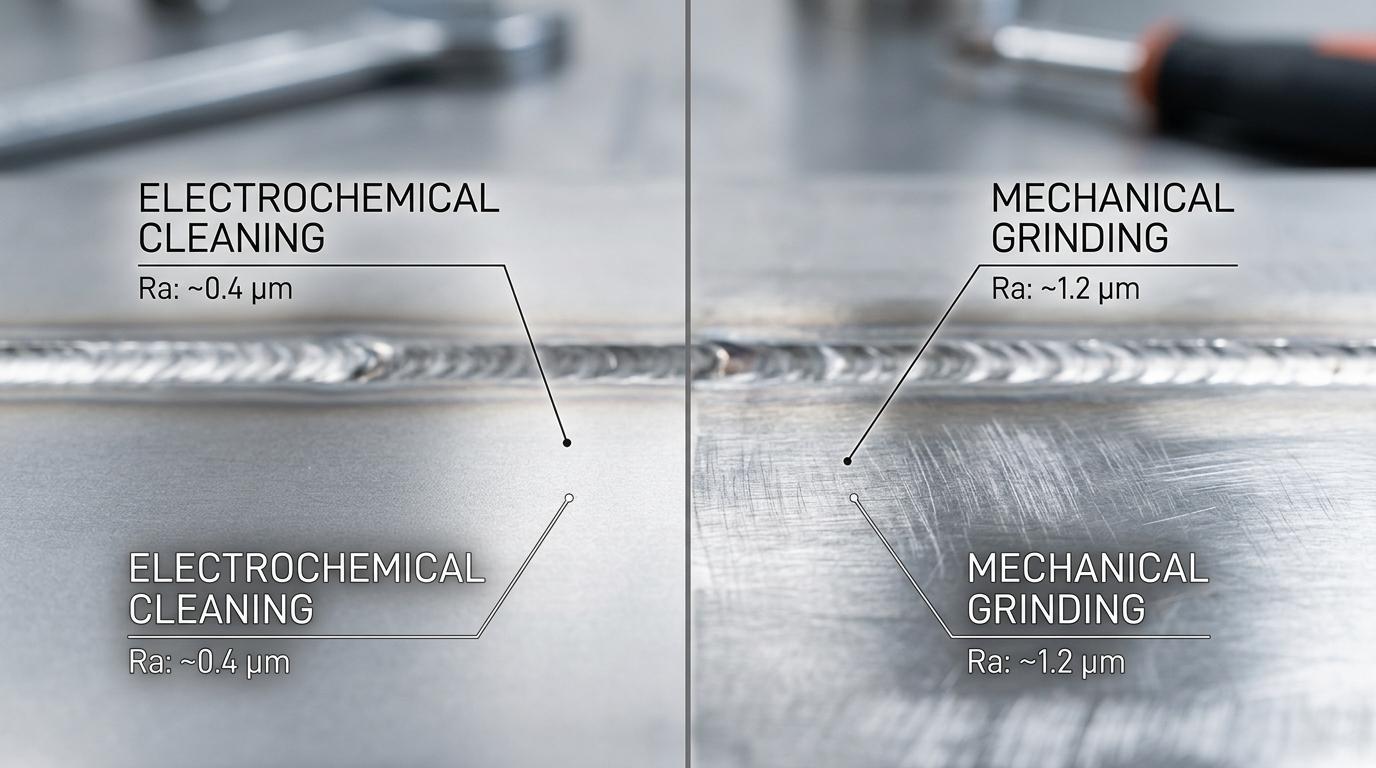
▶ weld inner surface finish
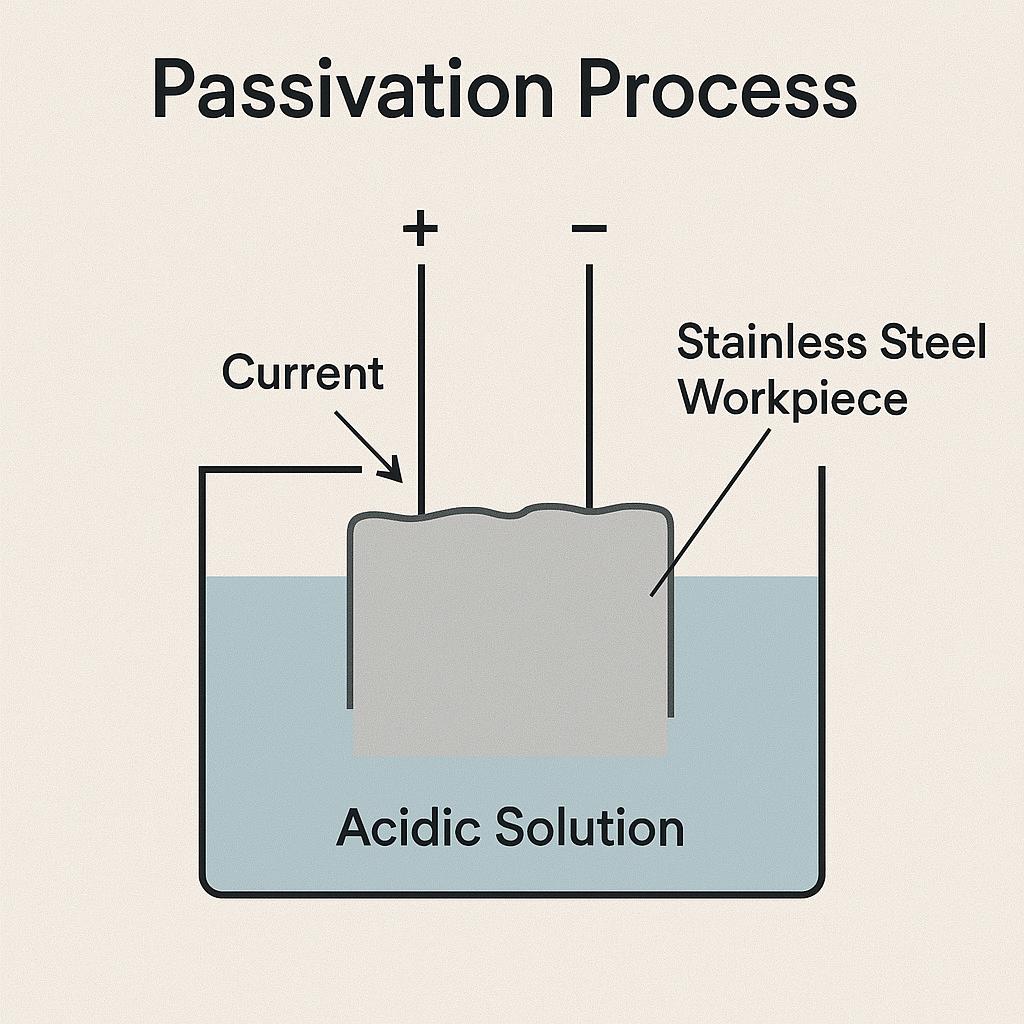
▶ Post-welding acid washing to remove charring
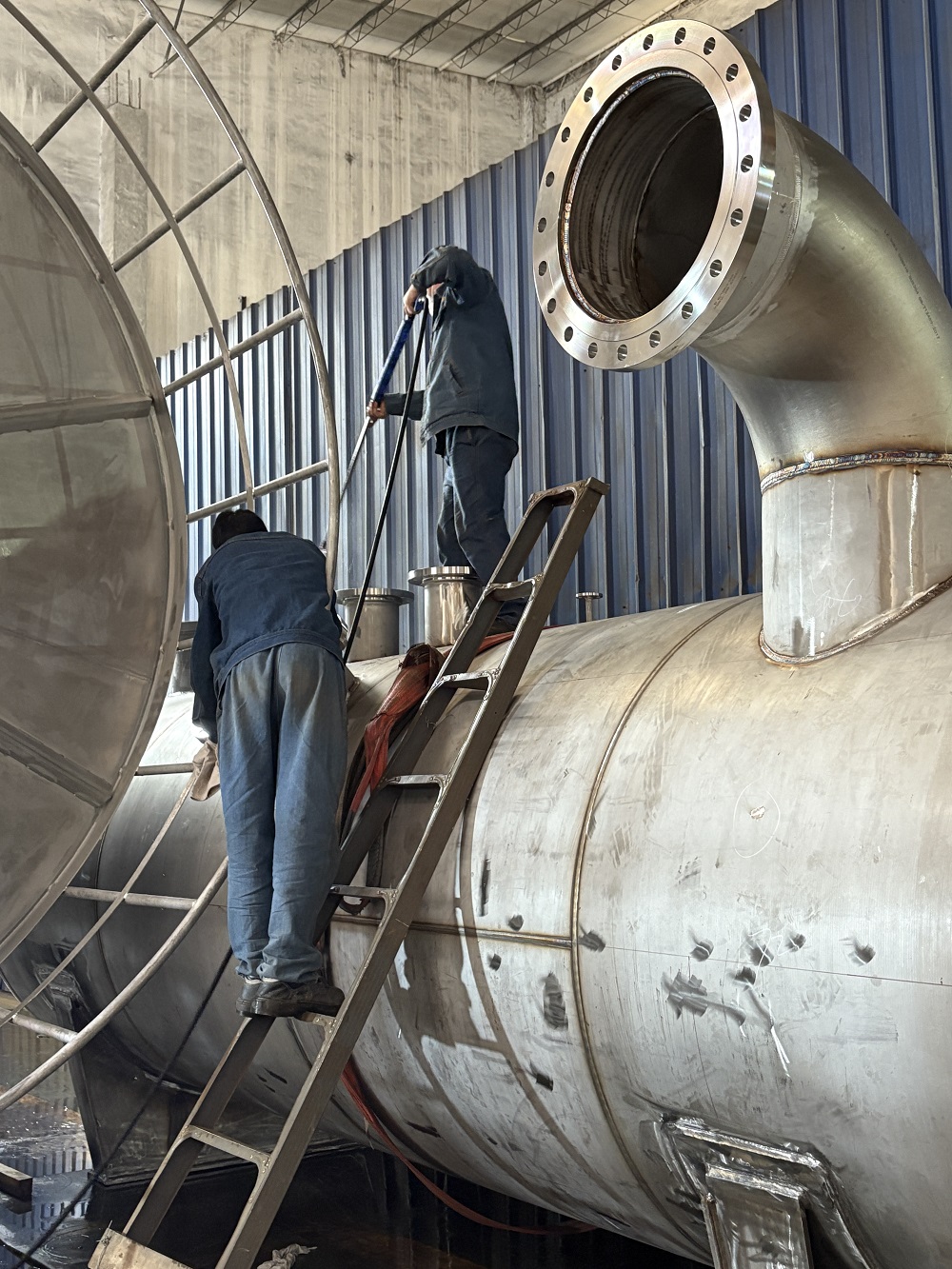
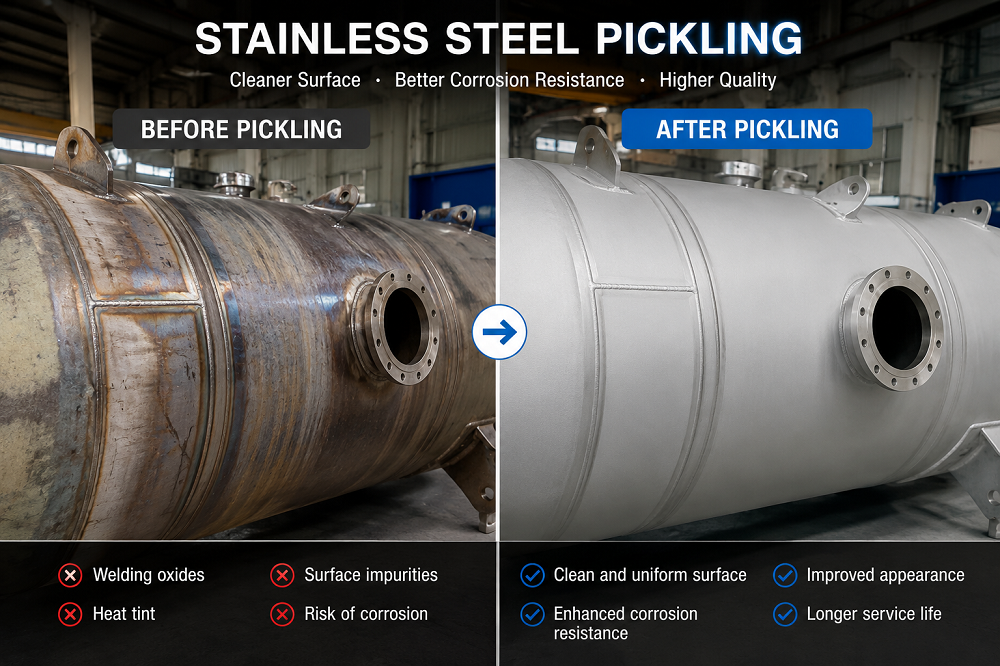
▶ Automatic rail welding
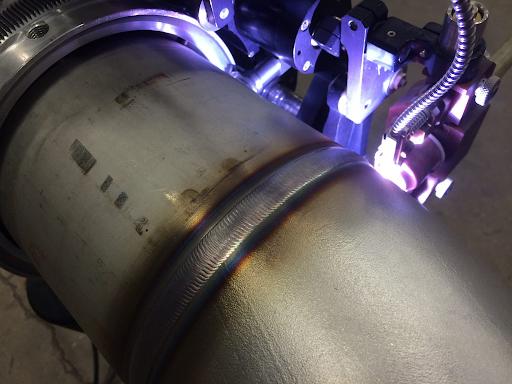
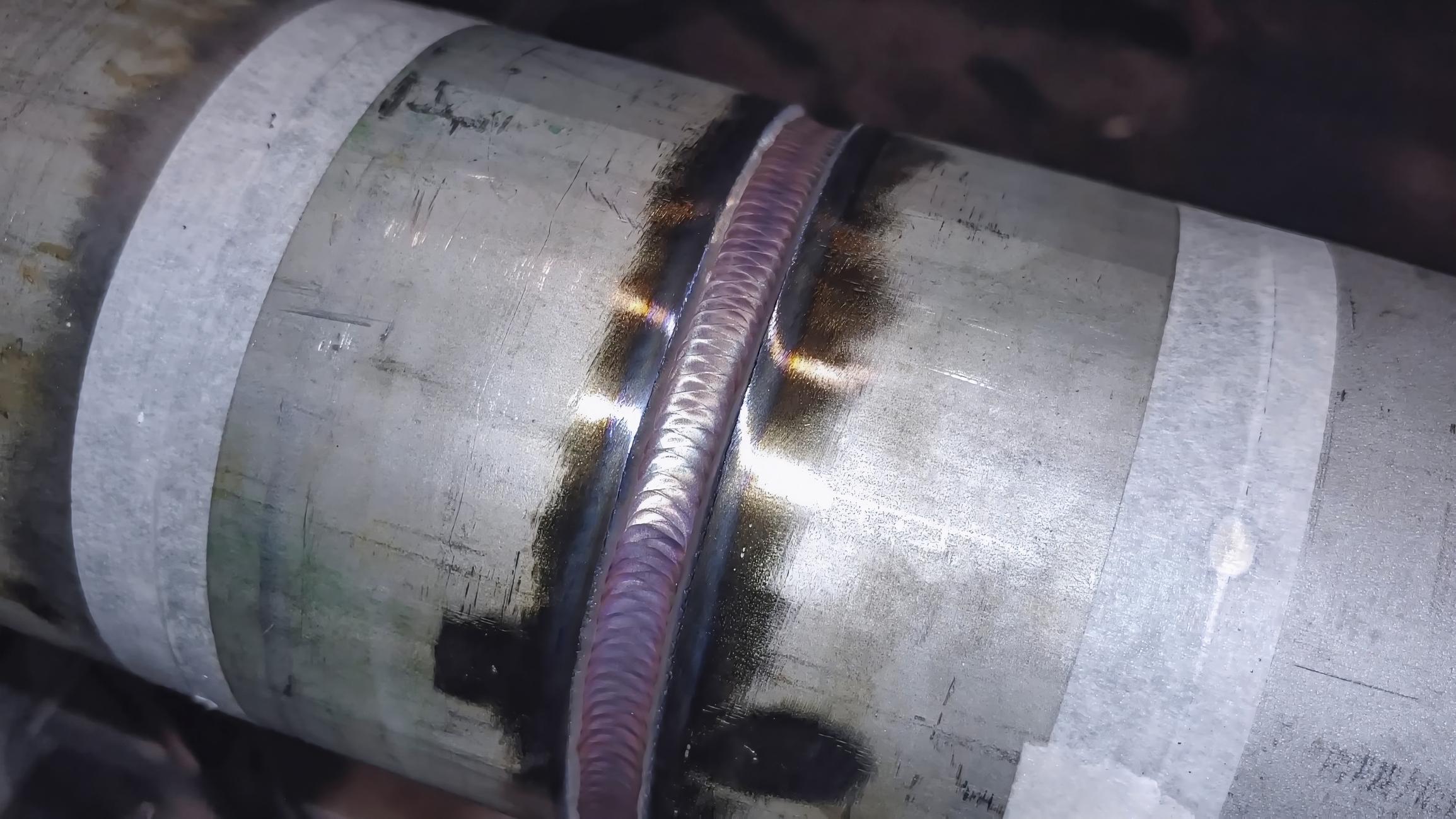
II. Disciplines to be followed in sanitary welding
Welder Discipline material discipline On-site discipline
✓ Dedicated Stainless Steel Tools ✓ 304L ✓Pipe End Sealing
✓ Do not use with carbon steel tools ✓ 316L ✓ Prevent dust ingress
✓ Wear powder-free gloves ✓ EP tube (electropolished tube) ✓ Do not touch the welding area with your hands
✓ Pre-welding alcohol cleaning ✓ With material certificate (MTC) ✓ Immediate post-welding protection
✓ Welding area sealed and protected
Most people would just skim over it, but those who truly understand know how much skill is required to achieve this level of quality. Quality isn't always obvious; sometimes it's hidden inside the pipe.