Home > Blog >

How to Reduce Deformation and Improve Structural Strength Through Welding Process Control

How to Reduce Deformation and Improve Structural Strength Through Welding Process Control
2026/3/19 15:31:03

How to Reduce Deformation and Improve Structural Strength Through Welding Process Control 

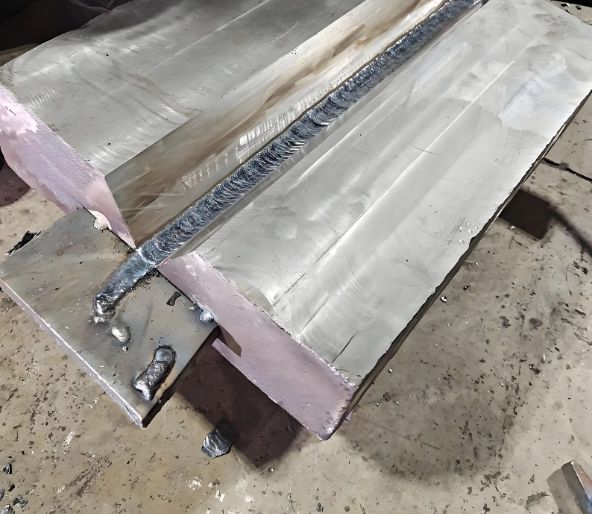
Welding deformation originates from the imbalance of internal stress caused by uneven local high-temperature heating and cooling; structural strength depends on fusion quality, weld defects, and stress state. These two factors are interdependent; a reasonable process can improve both simultaneously, while improper operation will exacerbate deformation and produce defects such as porosity and cracks.
 3.png

I. Preliminary Process Planning: Controlling Deformation and Strength from the Source


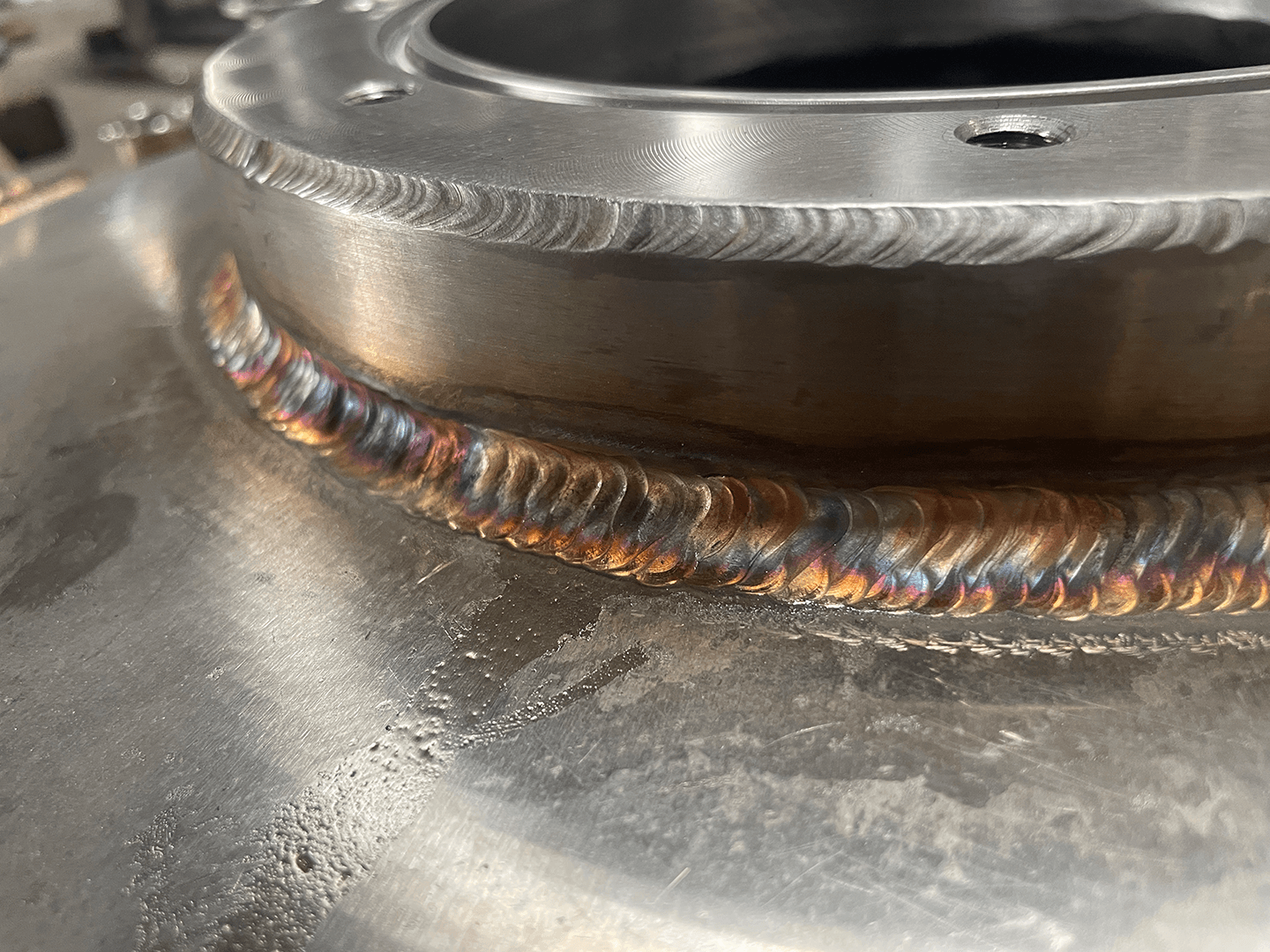
Rational Selection of Welding Materials and Methods: Manual arc welding can be used for carbon steel; TIG welding is preferred for stainless steel, paired with matching welding materials; pulsed TIG welding is recommended for aluminum alloys, using high-purity welding materials to reduce heat-affected zones and defects, ensuring strength from the source.


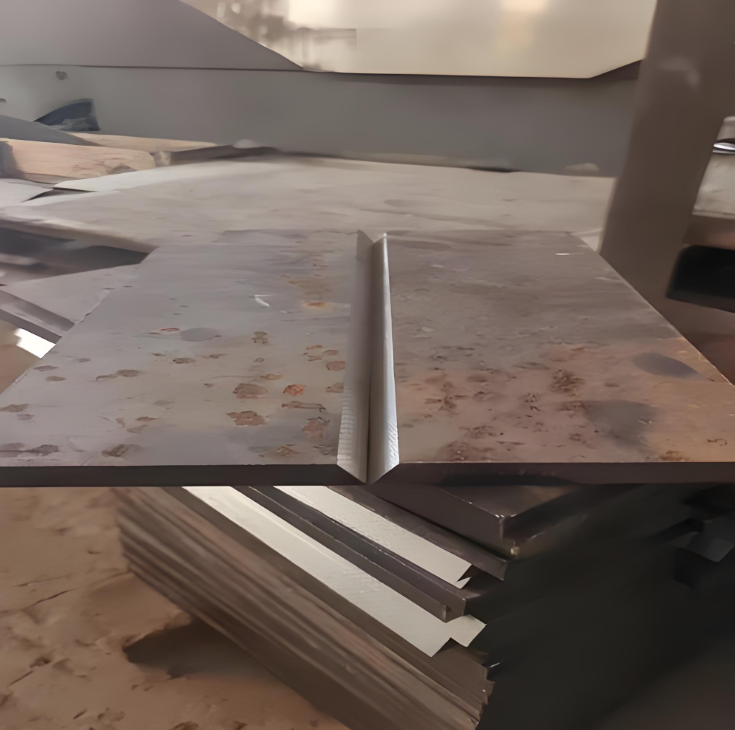
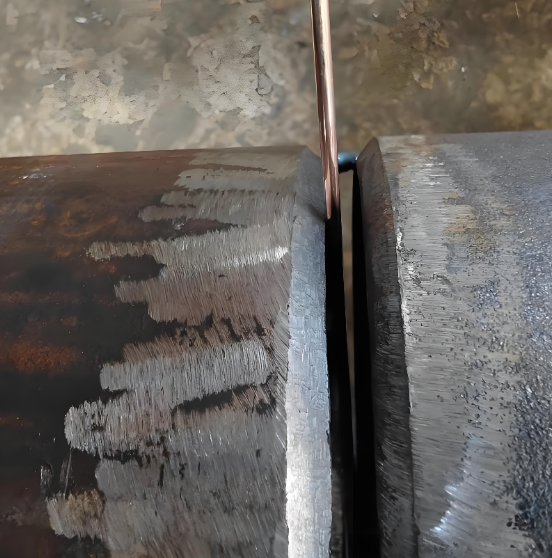
Optimizing Bevels and Joint Gap: Design V-shaped, X-shaped, and U-shaped bevels according to plate thickness and stress to ensure penetration depth and fusion. Precise positioning with a 2-4mm gap is crucial to prevent incomplete penetration and burn-through, reducing heat concentration and deformation.


Thorough pre-welding treatment is essential to remove rust, oil, and scale, preventing porosity, slag inclusions, and stress concentration. For thick plates, preheat to 100-300℃ to minimize temperature differences and cooling rates, reducing welding stress and deformation.
 

II. Welding Process Control: Balancing Deformation and Strength in Core Aspects

Strictly control heat input. Excessive heat input will expand the heat-affected zone, exacerbating deformation and weakening the metallographic structure; insufficient heat input will result in insufficient penetration and strength. Use low current and fast welding for thin plates, and appropriately increase the current for thick plates to ensure penetration, achieving a balance between strength and deformation.


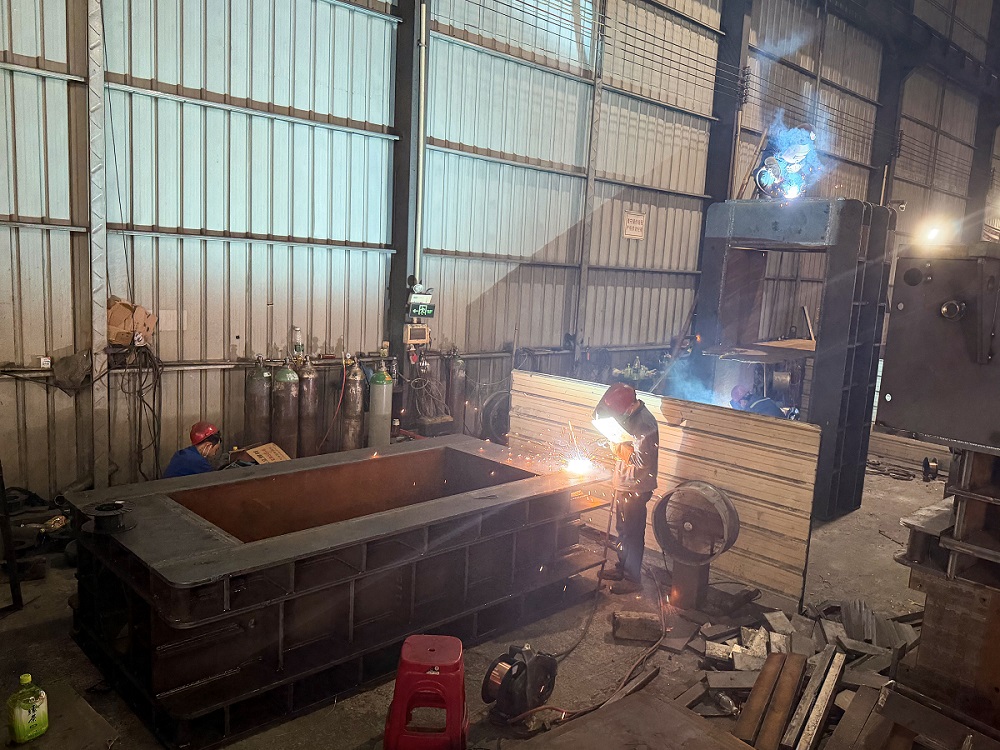
Adopt a reasonable welding sequence, following the principles of inside-to-outside, short-to-long, symmetrical welding, and segmented back-welding to ensure even heat distribution and stress cancellation. For complex structures, weld in segments, cooling each segment after welding to significantly reduce overall deformation.


Standardized operation ensures weld quality. Maintain a welding torch angle of 45°–60°, move the electrode evenly, and avoid arc breaks and deviations. Multi-layer, multi-pass welding requires slag removal before welding the next pass to ensure good interlayer fusion, reduce defects, and improve the overall structural integrity and strength.


III. Post-weld treatment: Stress release and deformation correction.

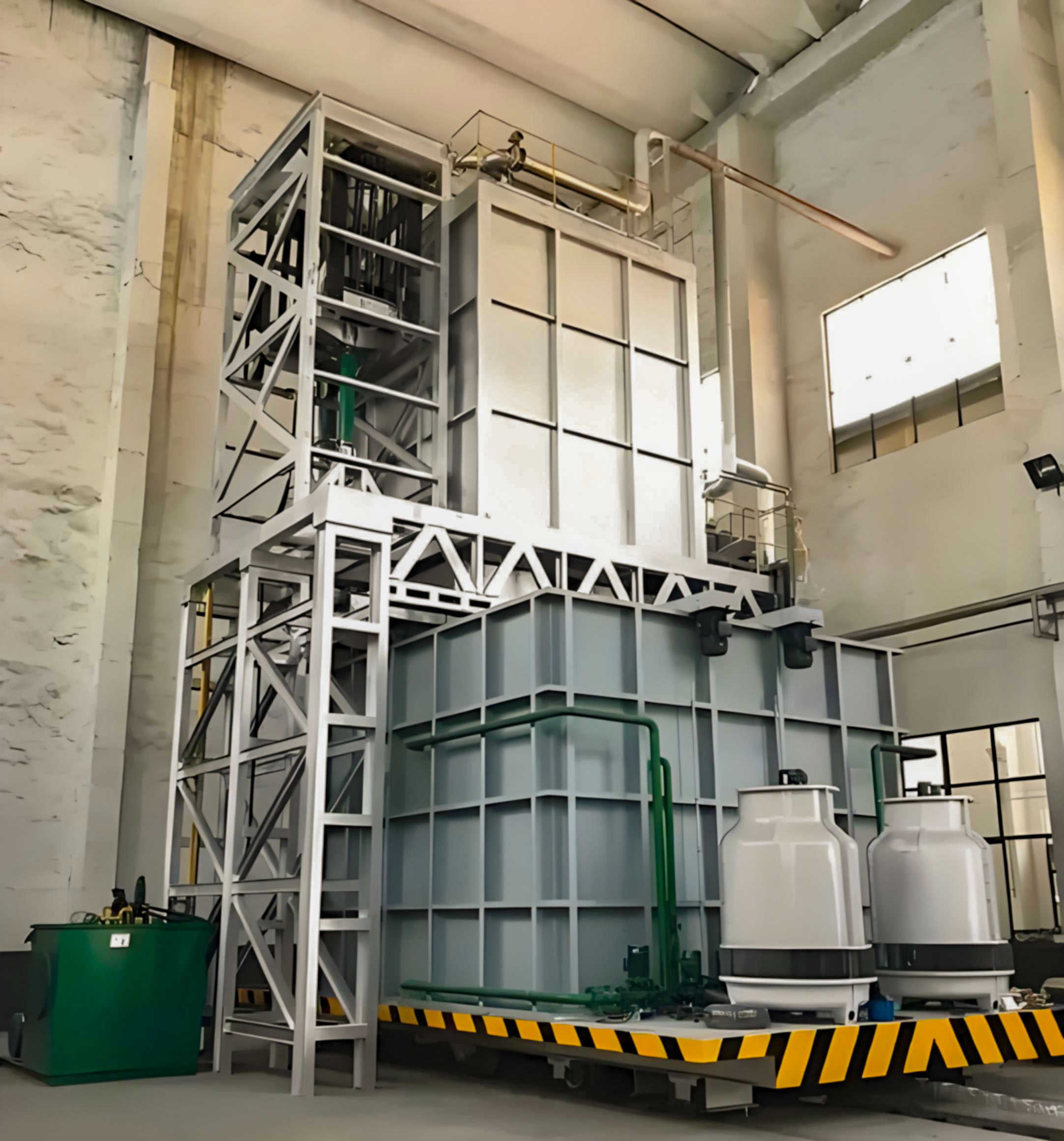
For critical structural components, natural aging or annealing (500–600℃) can be used to eliminate residual stress, release internal stress, improve microstructure, and enhance strength and dimensional stability.


For minor deformation correction, thin plates are straightened mechanically, while thick plates and complex parts are straightened by flame (heating to 200–300℃). Thermal expansion and contraction are used to correct deformation, avoiding over-correction that generates new stress.


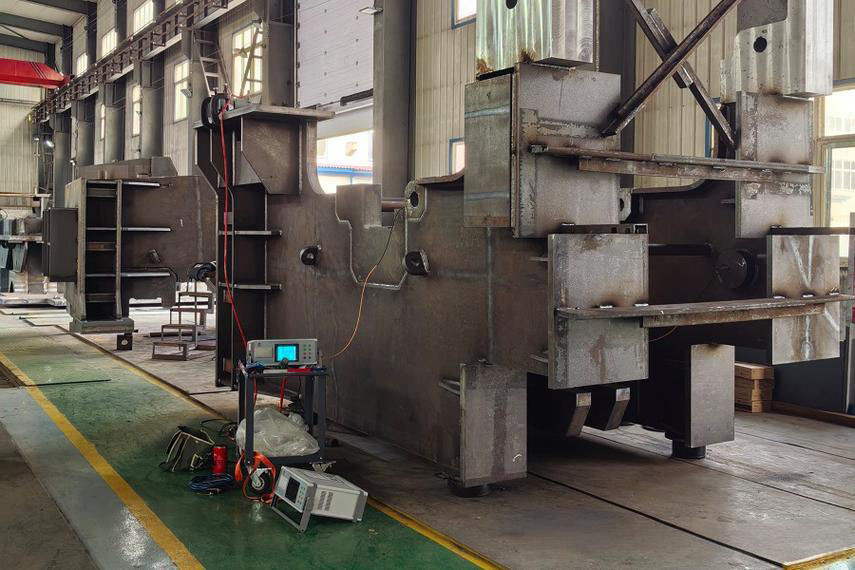
Weld inspection and repair: Defects such as porosity, cracks, and lack of fusion are detected through visual inspection, UT, and PT. Timely repair welding is performed to prevent local defects from affecting overall strength.


IV. Practical summary.

 Welding quality control is a closed-loop process encompassing pre-planning, process control, and post-treatment. The core logic is: balancing heat input, dispersing stress, and ensuring fusion.


Only by implementing process standards in every step can we effectively reduce deformation, improve structural strength, lower scrap rates, increase production efficiency, and provide customers with stable and reliable welded structural components.


Next article:No data

Office:Room 503 KaiTai Center Guicheng Street,

             Nanhai District Foshan, Guangdong, CN

Factory:No.22, Pengshan Road, Gaoming District,

               Foshan City, Guangdong, CN

Tel:+86 15989136449

Email:info@xiangxinghe.com


Copyright 2023-2024 Foshan Xiangxinghe CNC Technology Co., Ltd. All rights reserved  Guangdong ICP No. 2024327335


Quick Links


Our Services


Follow Us

Home > Blog >

How to Reduce Deformation and Improve Structural Strength Through Welding Process Control

How to Reduce Deformation and Improve Structural Strength Through Welding Process Control
2026/3/19 15:31:03

How to Reduce Deformation and Improve Structural Strength Through Welding Process Control 

Welding deformation originates from the imbalance of internal stress caused by uneven local high-temperature heating and cooling; structural strength depends on fusion quality, weld defects, and stress state. These two factors are interdependent; a reasonable process can improve both simultaneously, while improper operation will exacerbate deformation and produce defects such as porosity and cracks.

 3.png

I. Preliminary Process Planning: Controlling Deformation and Strength from the Source


Rational Selection of Welding Materials and Methods: Manual arc welding can be used for carbon steel; TIG welding is preferred for stainless steel, paired with matching welding materials; pulsed TIG welding is recommended for aluminum alloys, using high-purity welding materials to reduce heat-affected zones and defects, ensuring strength from the source.


Optimizing Bevels and Joint Gap: Design V-shaped, X-shaped, and U-shaped bevels according to plate thickness and stress to ensure penetration depth and fusion. Precise positioning with a 2-4mm gap is crucial to prevent incomplete penetration and burn-through, reducing heat concentration and deformation.


Thorough pre-welding treatment is essential to remove rust, oil, and scale, preventing porosity, slag inclusions, and stress concentration. For thick plates, preheat to 100-300℃ to minimize temperature differences and cooling rates, reducing welding stress and deformation.
 

II. Welding Process Control: Balancing Deformation and Strength in Core Aspects

Strictly control heat input. Excessive heat input will expand the heat-affected zone, exacerbating deformation and weakening the metallographic structure; insufficient heat input will result in insufficient penetration and strength. Use low current and fast welding for thin plates, and appropriately increase the current for thick plates to ensure penetration, achieving a balance between strength and deformation.


Adopt a reasonable welding sequence, following the principles of inside-to-outside, short-to-long, symmetrical welding, and segmented back-welding to ensure even heat distribution and stress cancellation. For complex structures, weld in segments, cooling each segment after welding to significantly reduce overall deformation.


Standardized operation ensures weld quality. Maintain a welding torch angle of 45°–60°, move the electrode evenly, and avoid arc breaks and deviations. Multi-layer, multi-pass welding requires slag removal before welding the next pass to ensure good interlayer fusion, reduce defects, and improve the overall structural integrity and strength.


III. Post-weld treatment: Stress release and deformation correction.

For critical structural components, natural aging or annealing (500–600℃) can be used to eliminate residual stress, release internal stress, improve microstructure, and enhance strength and dimensional stability.


For minor deformation correction, thin plates are straightened mechanically, while thick plates and complex parts are straightened by flame (heating to 200–300℃). Thermal expansion and contraction are used to correct deformation, avoiding over-correction that generates new stress.


Weld inspection and repair: Defects such as porosity, cracks, and lack of fusion are detected through visual inspection, UT, and PT. Timely repair welding is performed to prevent local defects from affecting overall strength.
 

IV. Practical summary.

 Welding quality control is a closed-loop process encompassing pre-planning, process control, and post-treatment. The core logic is: balancing heat input, dispersing stress, and ensuring fusion.


Only by implementing process standards in every step can we effectively reduce deformation, improve structural strength, lower scrap rates, increase production efficiency, and provide customers with stable and reliable welded structural components.

Next article:No data

Follow Us

Foshan Xiangxinghe CNC Technology Co., Ltd

Office:Room 503 KaiTai Center Guicheng Street,Nanhai District 

             Foshan, Guangdong, CN

Factory:No.22, Pengshan Road, Gaoming District, Foshan City, 

                Guangdong, CN

Tel:+86 0757 86762603    +86 15989136449

Email:info@xiangxinghe.com

Copyright 2023-2024 Foshan Xiangxinghe CNC Technology Co., Ltd. All rights reserved

Guangdong ICP No. 2024327335


X